Docent PED / WBDA & Materiaalkunde
Docent PED / WBDA & Materiaalkunde
This PED and WBDA training course focuses on the application of the Pressure Equipment Directive, PED 2014/68/EU, and the Dutch Commodities Act Decree on Pressure Equipment within industrial projects. In practice, PED is rarely about theory alone. It is about correctly defining scope and obligations. Especially in brownfield modifications, replacements and extensions, the distinction between mandatory and optional requirements is often unclear.
This regularly leads to unnecessary calculations, overly heavy conformity assessment module choices and more involvement from a Notified Body than necessary. In this training course, you learn how to classify pressure equipment correctly, determine the correct PED category and conformity assessment module, and identify when inspections such as KVI are actually required. The emphasis is on making the right technical decisions under PED and WBDA in Dutch practice, from new-build projects to modifications and the management of existing installations.
Course type
Technical Modules
Teaching location
Rotterdam
Course days
2 avonden
Start date
06-10-2026
Dutch Commodities Act Decree on Pressure Equipment and PED in practice, 2014/68/EU
A PED training course focuses on understanding and applying legislation and regulations relating to pressure equipment. All pressure equipment, piping systems and installations with an allowable pressure of 0.5 bar or higher must comply with PED and the national legislation resulting from it, such as WBDA. In this training course, you gain insight into the background of the regulations, the classification of equipment and the consequences of recent changes for both new-build projects and existing installations.
During this PED and WBDA training course, you receive a clear overview of the regulations and their practical application.
After completing this training course, you will understand:
what PED and WBDA involve and how they are connected
how pressure equipment is classified and categorised
which obligations apply to new-build projects and assemblies
when inspections and periodic re-inspections are required
how modifications and repairs fall within the regulatory framework
With this knowledge, you will be able to interpret and apply the regulations more effectively in your own work.
Overview of modules and their relationship to the PED category
Case 1: Classification and Category Determination
Working with existing installations, pre-2002 and WBDA 2016
Case 2: Brownfield Modification and Scope Definition
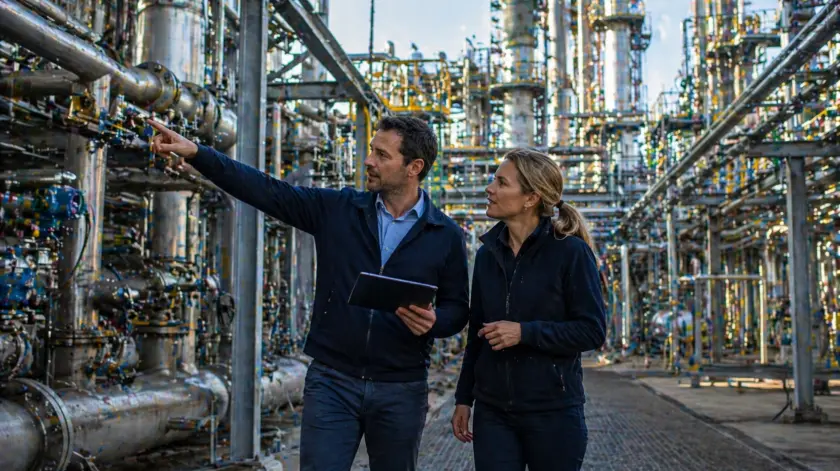
The PED training course is suitable for professionals who work with pressure equipment or are involved in the design, engineering, inspection or management of installations. This includes piping designers and engineers, mechanical engineers, process engineers, plant maintenance managers and professionals working in maintenance, inspection or project management. The training course also provides valuable insight for professionals responsible for compliance with the Dutch Commodities Act Decree on Pressure Equipment.

The WBDA/PED training course consists of two evening sessions from 17:30 to 22:00. Course materials and a certificate of participation are included. The fee is €745 per person, excluding VAT.
Current and former participants of our Piping Design & Engineering programme can take part at a reduced rate.
Investment: €745 excluding VAT
Duration: 2 evenings
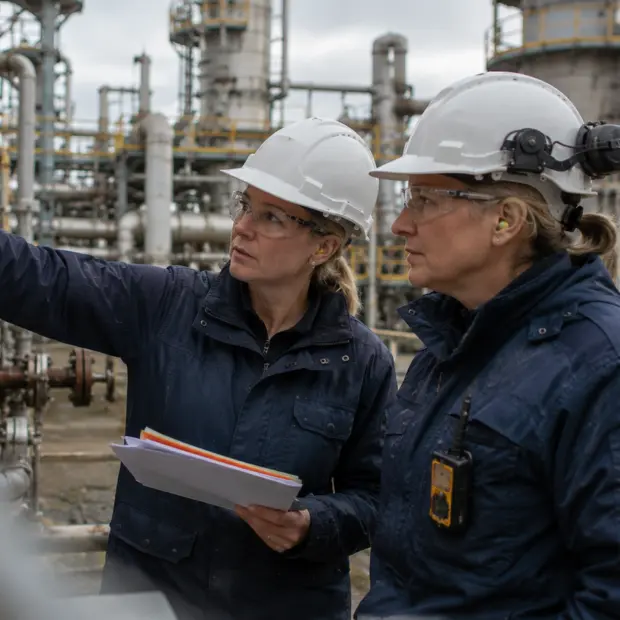
Docent PED / WBDA & Materiaalkunde
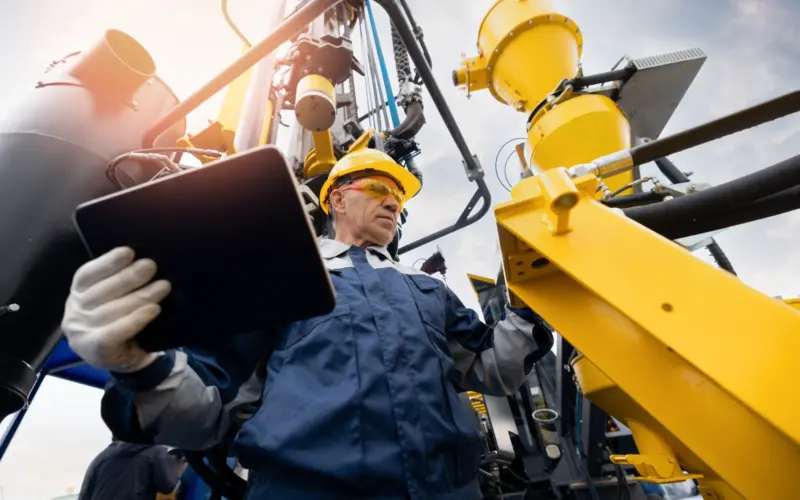
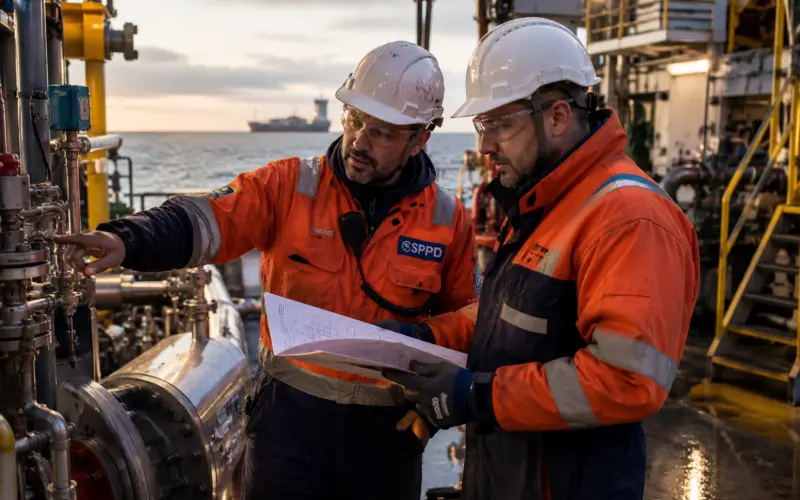

Mohammad Arab | 15-01-2027
Mechanical systems are at the heart of industrial installations. Piping, pumps, heat exchangers and cooling systems ensure that processes continue to operate safely, reliably and efficiently. With Dosign Academy’s Mechanical Systems & Skid Construction training course, you develop insight into how these components work together to form a complete installation. You will learn not only to understand individual components, but above all to recognise the interaction within complete mechanical systems and skids.
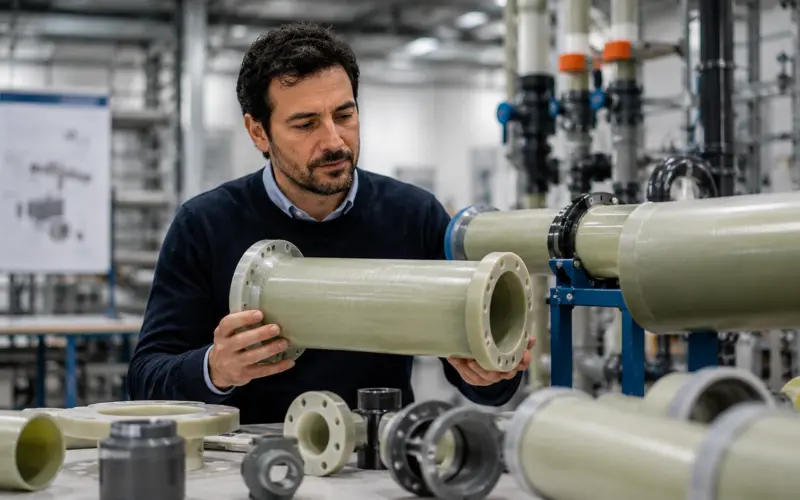

Arno Jordans | 03-03-2027
Thermoplastic piping systems have been used in piping and equipment construction for decades, but the growing demand for corrosion-resistant and sustainable solutions is further increasing the use of thermoplastics. Dosign Academy’s Thermoplastic Piping Systems training course explores the technical possibilities, material properties and design requirements of thermoplastic piping in greater depth, enabling you to assess complex situations more effectively and advise on suitable solutions at the right technical level.
Legislation relating to pressure equipment is complex and constantly evolving. At Dosign Academy, we combine knowledge of standards and regulations with practice-based explanations, so you understand not only what the rules are, but especially how to apply them within projects and installations. This PED training course has been developed from practical experience and reflects the day-to-day reality of engineering and maintenance.
Personal advice and guidance
We help you determine whether this PED training course matches your role and responsibilities. This ensures that you follow a training course that is relevant to your field of work and practical situation.
Experienced trainers from industry
Our trainers have extensive experience with PED and WBDA issues within industrial environments. They share practical examples and key points of attention, helping you understand how regulations are applied in real situations.
Practice-based PED training
The focus is on insight and applicability. You learn how PED and the Dutch Commodities Act Decree on Pressure Equipment affect the design, assembly, inspection and assessment of pressure equipment.
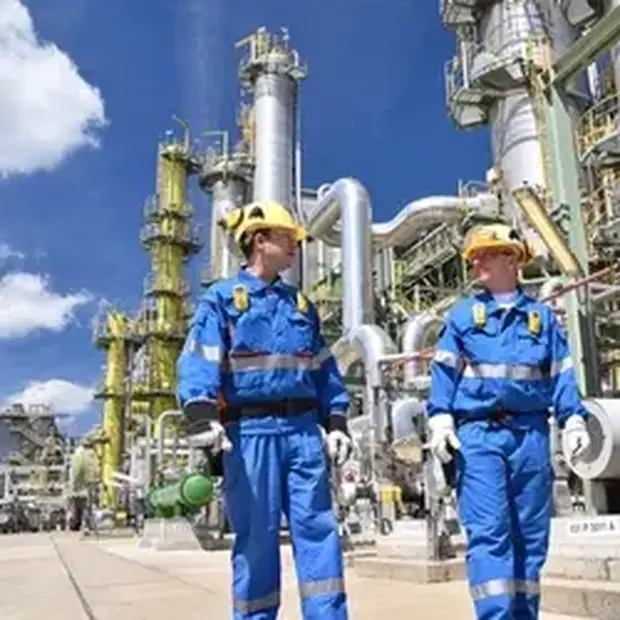
The European Pressure Equipment Directive and WBDA are decisive for the safety and conformity of pressure equipment and installations. Changes in regulations affect classifications, inspection obligations and responsibilities. With a PED training course, you develop insight into these changes and prevent errors in the design, commissioning or management of pressure equipment. This contributes to safe installations and demonstrable compliance with legislation and regulations.
Would you like to better understand how PED and WBDA affect your installations and projects? Follow the PED training course at Dosign Academy and develop insight that can be applied directly in practice. Work with greater confidence on safe, compliant pressure equipment and installations.