
Course programme
During the training course, we examine topics including:
Design criteria for thermoplastic and composite piping systems
Chemical resistance, temperature limits and load capacity
GRP, GRE and thermoplastic piping
Diameter selection, pressure ratings and expansion behaviour
Pipe support and structural design considerations
Joining techniques for GRP, GRE and thermoplastics
Quality control, inspection methods and applicable standards
After completing the training course, you will be able to substantiate material choices, assess installations and formulate technical solutions for situations in which thermoplastic and composite piping systems are used.
Avond 1
Block 1: Design Criteria, Chemical Resistance and Temperature
- Primary factors influencing material selection
- Secondary factors influencing material selection
- Case 1: Material selection based on primary factors
Block 2: Thermoplastic and Composite Piping Systems
- GRP piping
- GRE piping
- Thermoplastic piping
- Diameter and pressure rating designation, general principles
- Case 2: Material selection based on practical considerations
Avond 2
Block 3: Construction and Installation
- Expansion behaviour of plastics
- Pipe supports
- Case 3: Study of a new support concept based on a GRP piping damage case
Block 4: Joining Techniques
- Joining techniques for GRP and GRE
- Joining techniques for thermoplastics
- Flanged connections
- Case 4: Applicability of welded and bonded joints
Avond 3
Block 5: Quality Assessment and Standards
- Quality control and inspection methods
- Assessment of deviations and non-conformities
- Standards
Target audience
Who is this course for?
This training course is ideal for both early-career and experienced piping designers, engineers and technical professionals who work with piping systems for the transport or storage of corrosive liquids and gases.
Maintenance managers, inspectors, surveyors and quality professionals will also gain valuable knowledge from this training course, enabling them to assess and apply thermoplastic and composite piping systems correctly.
Duration and fee of the training
Practical information
Deze training bestaat uit 3 avonden. Studiemateriaal en een certificaat van deelname zijn inbegrepen. De kosten bedragen € 987,- per persoon, exclusief BTW. Voor (oud) deelnemers aan onze opleiding Piping Design & Engineering bieden wij de mogelijkheid om deel te nemen tegen een gereduceerd tarief.
Investering: € 987,- excl. BTW
Looptijd: 3 avonden

Course dates
Time
- hrs
Location
Rotterdam
Trainers

Language
Dutch
Locations



Shahrad Ghanbari | 16-02-2027
Signal Processing & Fourier Analysis: From raw measurement data to reliable technical decisions
Technical Modules
11 half-day session
Rotterdam
In modern technical systems, measurement data is everywhere. Sensors continuously measure vibration, pressure, temperature, flow and electrical signals. In practice, this data is rarely clean. Noise, disturbances and unstable behaviour make it difficult to determine what a system is actually doing. Signal processing is the discipline that enables engineers to solve this problem.
Pipestress pathway
Technical Programmes
From expansion to pressure loads: learn to understand piping systems the way stress engineers do. Piping systems move, expand and deform, and every movement has consequences for stress, support design and safety.

Mohammad Arab | 19-11-2026
Pipe Diameter Calculations & Pump Selection
Technical Modules
2 half-day sessions
Rotterdam
In the process industry, accurately sizing piping systems and selecting suitable pumps is essential for the efficient and safe operation of installations. With Dosign Academy’s Pipe Diameter Calculations & Pump Selection training course, you develop insight into fluid mechanics, pipe sizing and pump selection. This training course helps you understand, apply and assess calculations within design, engineering and maintenance issues.
The benefits
Why choose Dosign Academy for Thermoplastic and Composite Piping Systems?
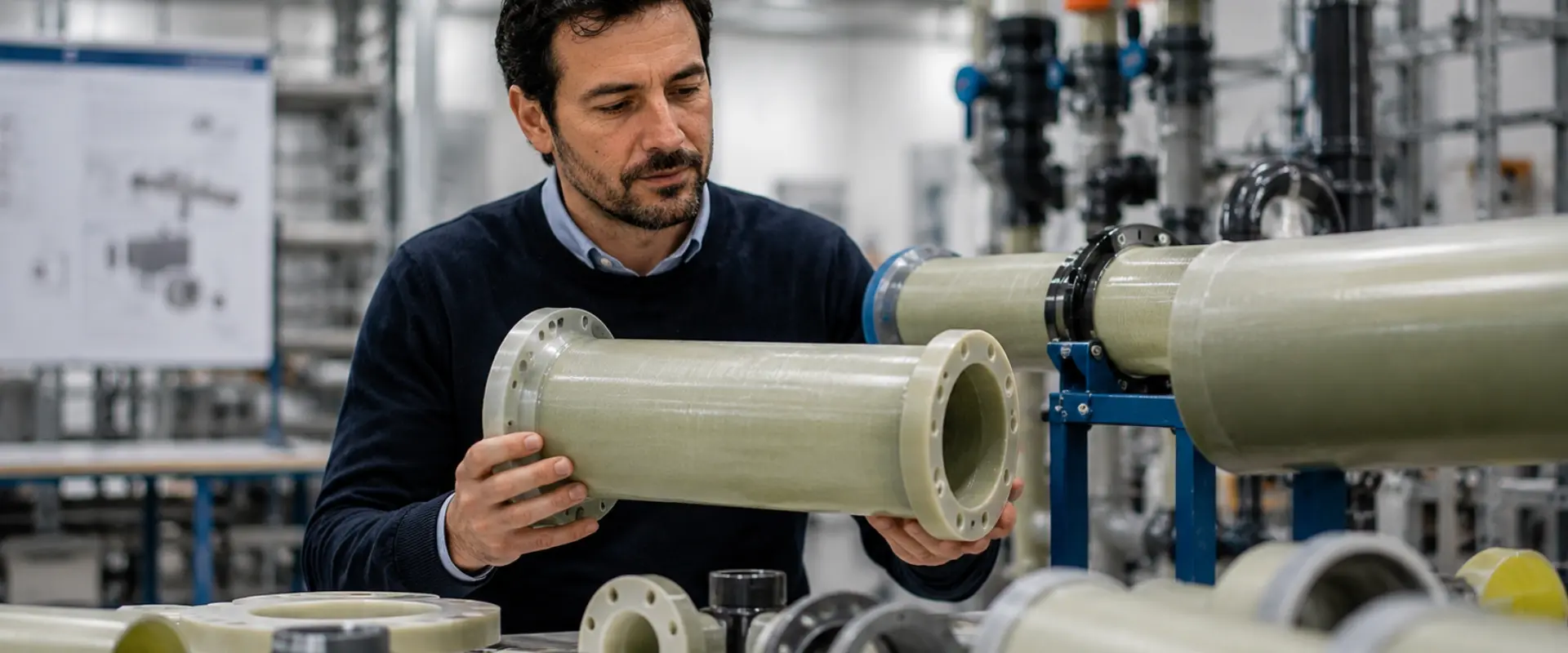
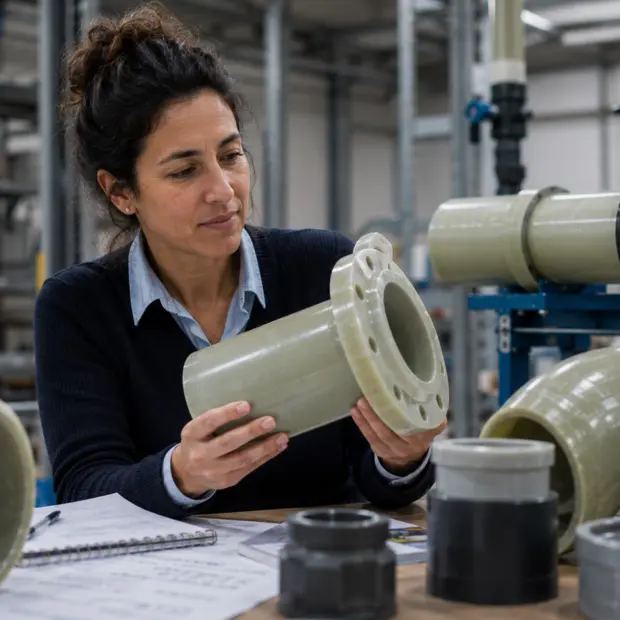
At Dosign Academy, we combine in-depth technical knowledge with practical assignments and demonstrations using real materials. The content of the training course is directly aligned with day-to-day work in piping, engineering and maintenance. This means you learn not only what is possible with thermoplastic and composite materials, but above all how to make the right technical choices in practice.
Personal advice and guidance
Every participant brings their own experience and technical questions. We therefore align the advanced training course with your field of work, so that the examples, exercises and cases reflect your day-to-day practice.
Experienced trainers from industry
The training course is delivered by specialists with years of experience in the design, installation, quality control and failure investigation of thermoplastic and composite piping systems. They show you where things commonly go wrong in practice and how these issues can be prevented.
Practice-based training
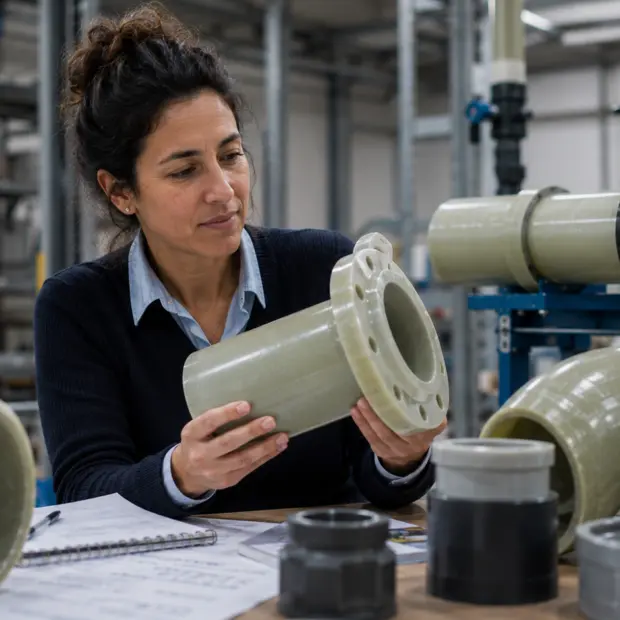
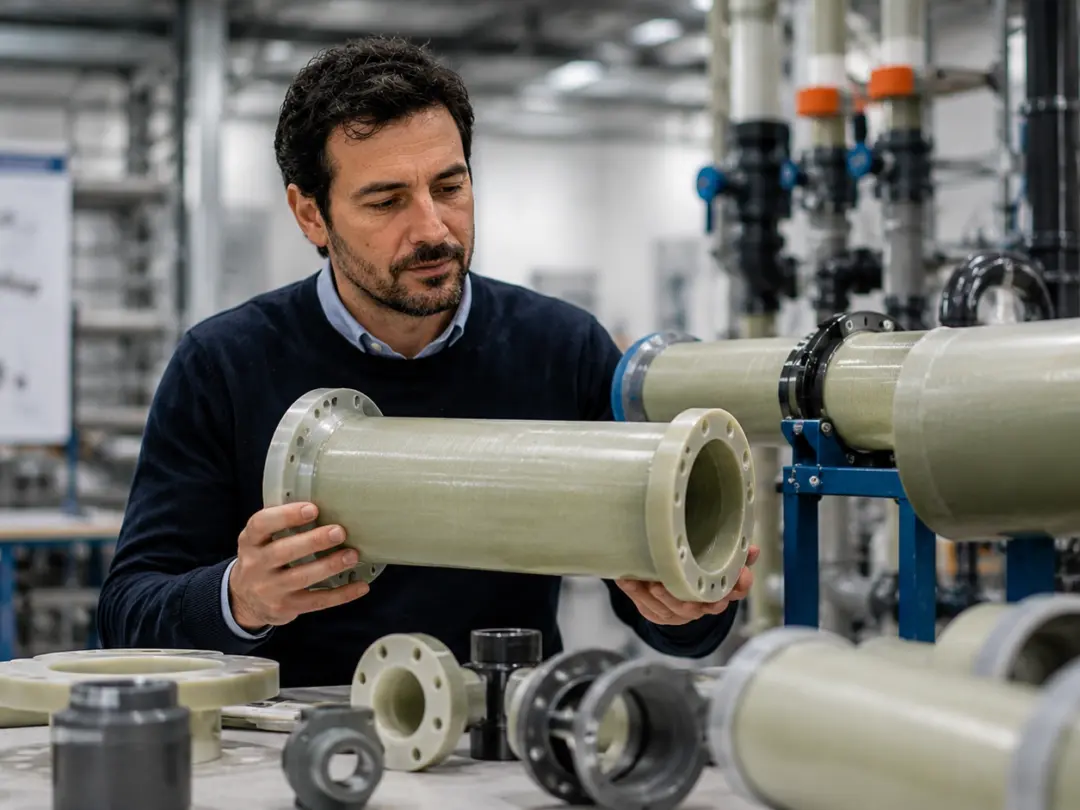
The training course combines theory with realistic cases. You work with real materials and learn how to apply joining techniques, design criteria, inspection methods and support structures correctly.
The importance of thermoplastic and composite piping systems
Thermoplastic and composite piping systems offer many advantages, but only when they are designed, installed and maintained correctly. An incorrect material choice, inadequate support or an error in joining technique can lead to damage, leakage or production downtime.
This training course helps you make well-founded decisions based on chemical resistance, temperature loads, pressure ratings and applicable standards, ensuring that installations continue to operate safely and cost-effectively.
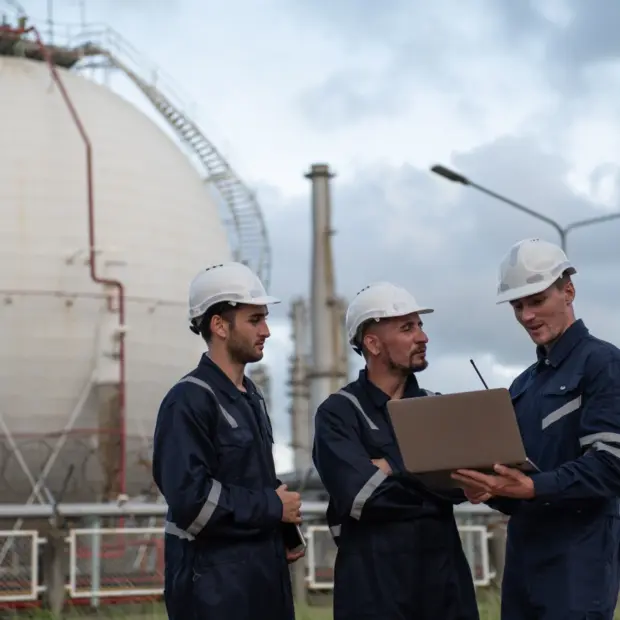
Start today with Thermoplastic and Composite Piping Systems at Dosign Academy
The importance of thermoplastic and composite piping systems
Would you like to deepen your technical expertise in thermoplastic and composite piping systems? Register for this training course and increase your understanding of design, material selection, joining techniques and quality assessment. Strengthen your knowledge and contribute to the reliability of installations within your organisation.