

Docent Signal Processing en de wiskunde- en natuurkundemaand
Docent Signal Processing en de wiskunde- en natuurkundemaand
In modern technical systems, measurement data is everywhere. Sensors continuously measure vibration, pressure, temperature, flow and electrical signals. In practice, this data is rarely clean. Noise, disturbances and unstable behaviour make it difficult to determine what a system is actually doing. Signal processing is the discipline that enables engineers to solve this problem.
Course type
Technical Modules
Teaching location
Rotterdam
Course days
11 avonden
Start date
16-02-2027
Training content
The training course consists of 11 evening sessions of three hours.
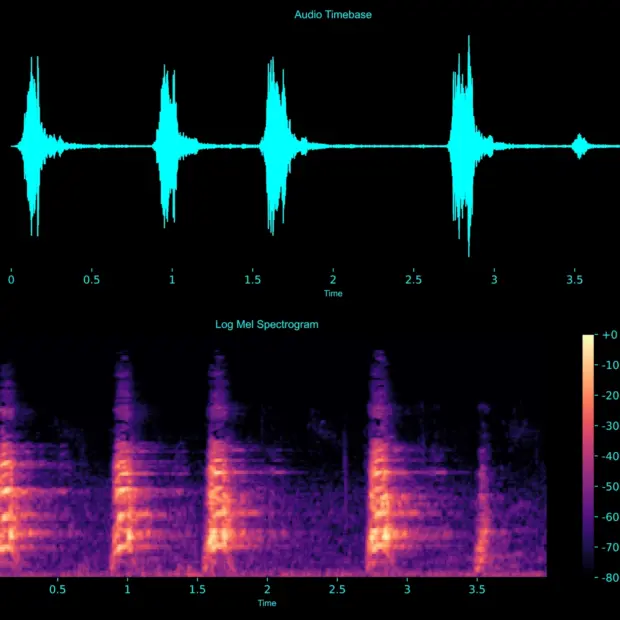
Each session combines theory with practical assignments in Python. Under the guidance of trainer Shahrad “Sadra” Ghanbari, you will work on industrial cases such as vibration analysis of motors, resonance in structures and noise reduction in measurement systems.
You will learn:
The fundamentals of Fourier, Laplace and wavelet transforms
How to analyse signals in the frequency domain
Noise reduction and fault detection in Python
How to build spectral filters and analysis tools
How to link data to physical processes and design decisions
During the training course, you will build your own analysis tool with a graphical user interface, which you can take with you after the course and apply in your own work.
Evening 10: Connecting the Concepts, including the implementation of multi-purpose algorithms in Python
The training course also includes four practical case studies and a final project.

This training course is intended for engineers who work with measurement data and sensors and want to understand what their data really means.
The training course is suitable for:
The training course requires technical understanding, but no academic background in signal theory. Mathematics is used functionally and is always linked to practical applications.

The Signal Processing for Engineers training course consists of 11 evening sessions from 17:30 to 22:00. A hot evening meal, course materials, an analysis tool and a certificate of participation are included.
The fee is €2,646 per person, excluding VAT.
Investment: €2,646 per person, excluding VAT
Duration: 11 evenings

Docent Signal Processing en de wiskunde- en natuurkundemaand

Sven van den Hil | 17-09-2027
Do you want to deepen your knowledge of instrumentation engineering and play a key role in optimising industrial processes? With Dosign Academy’s Instrumentation Engineering programme, you learn how to design, implement and maintain instrumentation and control systems within the process industry.
This programme combines theoretical knowledge with practical application, giving you the knowledge and skills needed to work as an instrumentation engineer.
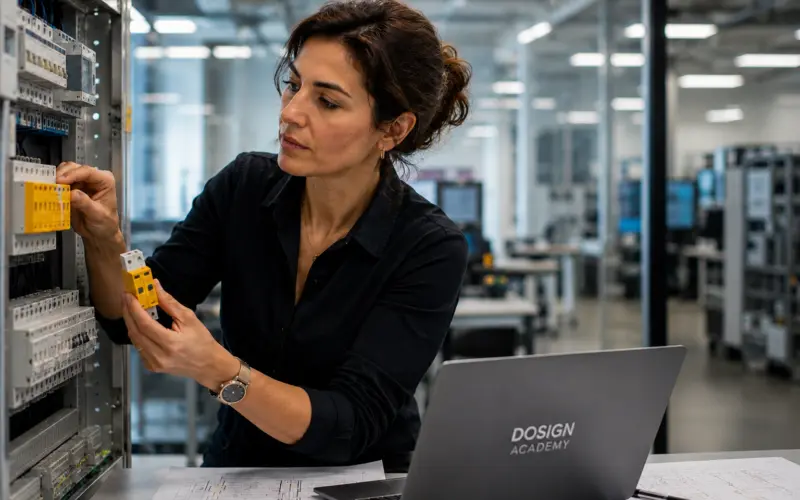

Electrical installations and sensitive equipment are constantly vulnerable to overvoltage caused by lightning strikes, grid disturbances or internal switching operations. A single overvoltage event can lead to system failure, data loss or significant damage costs. Dosign Academy’s Surge Protection training course helps you recognise these risks and implement effective measures, enabling you to safeguard the continuity and safety of your installations.

Mohammad Arab | 15-01-2027
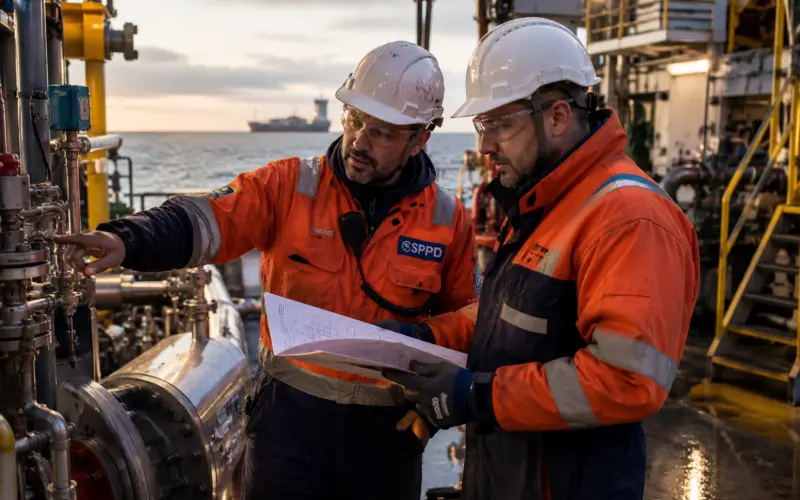
Mechanical systems are at the heart of industrial installations. Piping, pumps, heat exchangers and cooling systems ensure that processes continue to operate safely, reliably and efficiently. With Dosign Academy’s Mechanical Systems & Skid Construction training course, you develop insight into how these components work together to form a complete installation. You will learn not only to understand individual components, but above all to recognise the interaction within complete mechanical systems and skids.