

Docent Pipestress & Piping Design & Engineering
Docent Pipestress & Piping Design & Engineering
In the process industry, accurately sizing piping systems and selecting suitable pumps is essential for the efficient and safe operation of installations. With Dosign Academy’s Pipe Diameter Calculations & Pump Selection training course, you develop insight into fluid mechanics, pipe sizing and pump selection. This training course helps you understand, apply and assess calculations within design, engineering and maintenance issues.
Course type
Technical Modules
Teaching location
Rotterdam
Course days
2 avonden
Start date
19-11-2026
During the Pipe Diameter Calculations & Pump Selection training course, you develop insight into the key principles behind flow and pump behaviour.
After completing the training course, you will understand, among other things:
With this knowledge, you will be able to better understand, assess and apply calculations within piping and process installations.

This training course is designed for engineers, designers and technical professionals involved in the design, engineering or maintenance of piping systems in the process industry. Basic knowledge of mechanical engineering and process installations is recommended in order to follow the content properly.
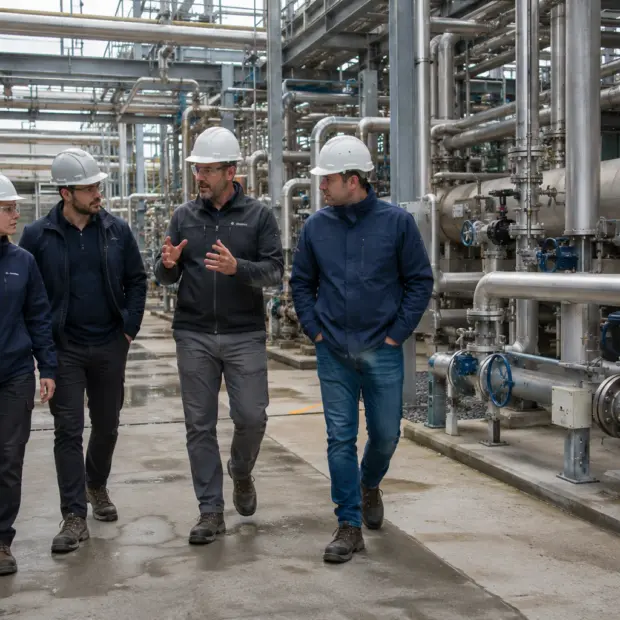
The training course consists of 2 half day sessions. The training course can be delivered at Dosign Academy in Rotterdam, or at your location by arrangement.
A warm meal, study materials and a certificate of participation are included in the fee.
Fee: €745 excluding VAT
Duration: 2 half day sessions


Docent Pipestress & Piping Design & Engineering
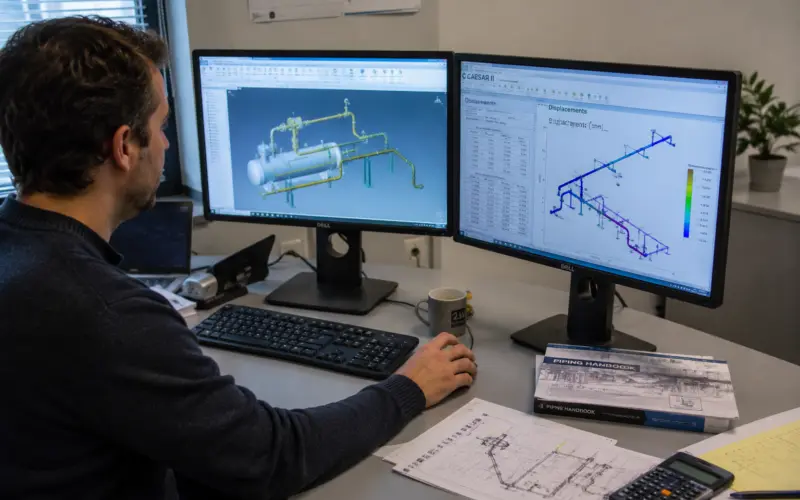

Mohammad Arab | 01-09-2027
Pipe stress is a specialised discipline, but a sound basic understanding already makes a real difference in practice. With Pipe Stress 1: Thermal Expansion, Flexibility and Supports, you build a solid foundation for understanding the behaviour of piping systems. This training course covers the basic principles of pipe stress and helps you account for stresses, displacements and supports at an early design stage. This helps prevent issues later in the project and enables you to work more effectively with specialists.
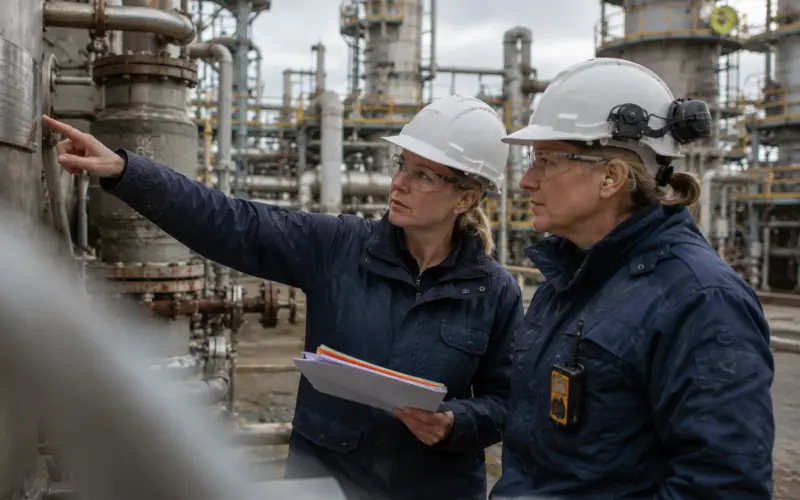
Richard van den Ende | 06-10-2026
This PED and WBDA training course focuses on the application of the Pressure Equipment Directive, PED 2014/68/EU, and the Dutch Commodities Act Decree on Pressure Equipment within industrial projects. In practice, PED is rarely about theory alone. It is about correctly defining scope and obligations. Especially in brownfield modifications, replacements and extensions, the distinction between mandatory and optional requirements is often unclear.
This regularly leads to unnecessary calculations, overly heavy conformity assessment module choices and more involvement from a Notified Body than necessary. In this training course, you learn how to classify pressure equipment correctly, determine the correct PED category and conformity assessment module, and identify when inspections such as KVI are actually required. The emphasis is on making the right technical decisions under PED and WBDA in Dutch practice, from new-build projects to modifications and the management of existing installations.
Hydraulic calculations are a crucial part of good design, but in practice they are often experienced as complex. At Dosign Academy, we make this subject clear and applicable, without losing technical depth. You learn not only how to apply formulas, but above all how to understand what the results mean for the operation of an installation.
Personal advice and guidance
We align the training course with professionals who work with piping systems and pump installations. This ensures that the content matches your practice and responsibilities.
Experienced lecturers from the field
Our trainers have extensive experience with fluid mechanics, pipe sizing and pump installations within the process industry. They translate theory into recognisable practical situations and technical points of attention.
Practical training
The emphasis is on applying knowledge. You learn how calculations are used in design decisions, optimisation and the prevention of problems such as unnecessary pressure losses or cavitation.
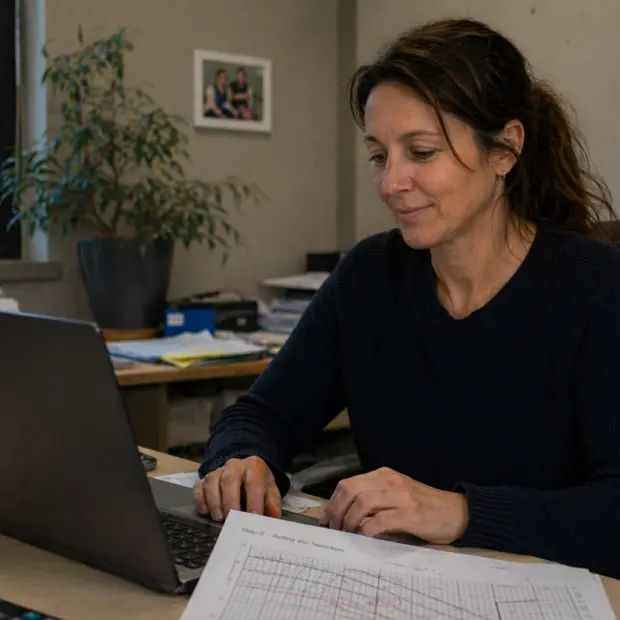
Incorrectly sized piping systems and poorly selected pumps can lead to energy loss, increased wear, noise nuisance or cavitation. With a solid understanding of fluid mechanics, pipe resistance and pump characteristics, you can reduce these risks. This training course helps you better substantiate technical decisions and design installations that are more reliable and efficient.
Do you want to gain better control of fluid mechanics, pipe sizing and pump selection? Follow the Pipe Diameter Calculations & Pump Selection training course at Dosign Academy and develop technical knowledge that can be applied directly in practice. Work with greater confidence on efficient and reliable piping systems.