

Docent Pipestress & Piping Design & Engineering
Docent Pipestress & Piping Design & Engineering
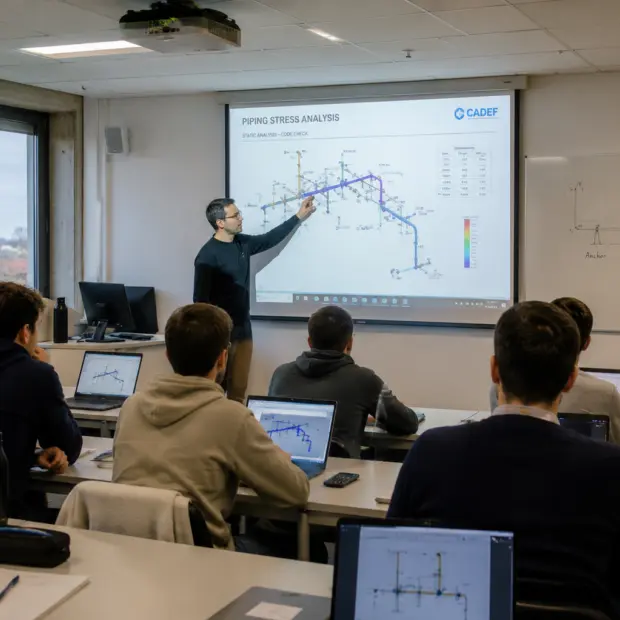
When piping systems are exposed to internal pressure, specific stresses and forces arise in components such as bends, flanges and branch connections. Pipe Stress 3: Calculations for Pressure-Retaining Components focuses on analysing and assessing these situations. In this training course, you will gain a deeper understanding of how pressure loads affect individual components and how to account for these effects in technical assessments within piping and engineering projects.
Course type
Technical Modules
Teaching location
Rotterdam
Course days
7 avonden
Start date
12-01-2027
Pipe Stress 3: Calculations of Pressure-Bearing Components according to Different Standard Codes is the third part of the Pipe Stress training programme. While Pipe Stress 1 and 2 focus on piping systems, expansion, flexibility, supports and forces in piping, Pipe Stress 3 goes deeper into the calculation and assessment of pressure-bearing components.
Across six teaching evenings, participants cover the assessment of structures, stress categories, allowable stresses, pressure testing, design formulas for cylinders, spheres, cones and toruses, dished heads, nozzles, flat plates, stability, flanges, columns, horizontal vessels on saddles and local loads.
The focus is on technical understanding, code interpretation and calculation-based assessment. Participants learn how pressure-bearing components are assessed according to different standard codes and how design choices influence strength, stability, safety and reliability of pressure equipment.

Pipe Stress 3 is intended for experienced piping engineers and technical specialists who want to deepen their knowledge of pipe stress and pressure-retaining components. The training course is well suited to participants who have completed Pipe Stress 1 and Pipe Stress 2, or who have comparable practical experience.
Pipe Stress 3 completes the Pipe Stress programme. Together with Pipe Stress 1 and Pipe Stress 2, you build your knowledge and insight step by step, from fundamental principles to specialist calculations. Upon successful completion of all three modules, you will receive the Pipe Stress diploma.
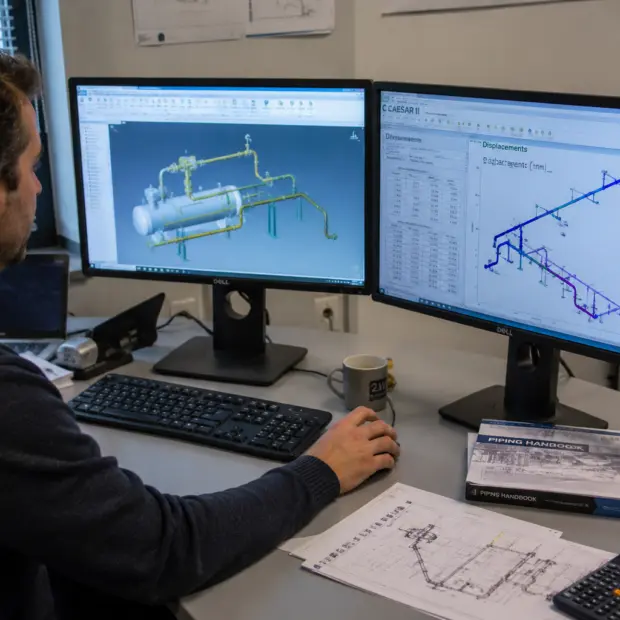
This training course consists of seven evenings from 17:30 to 22:00. A hot evening meal, course materials, examination and certificate are included. The fee is €1,900 per person, excluding VAT.
Course fee: €1,900 excluding VAT
Duration: 7 evenings
Diploma & Discount
• Upon successful completion of Pipe Stress 1, 2 and 3, participants receive the Pipe Stress diploma.
• Participants who enrol in all three Pipe Stress modules receive a discount. The total fee for all Pipe Stress modules is €4,089.75.
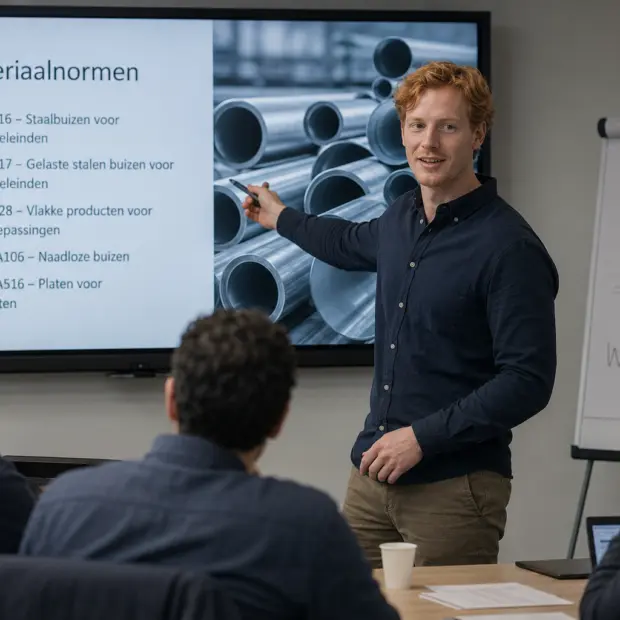

Docent Pipestress & Piping Design & Engineering
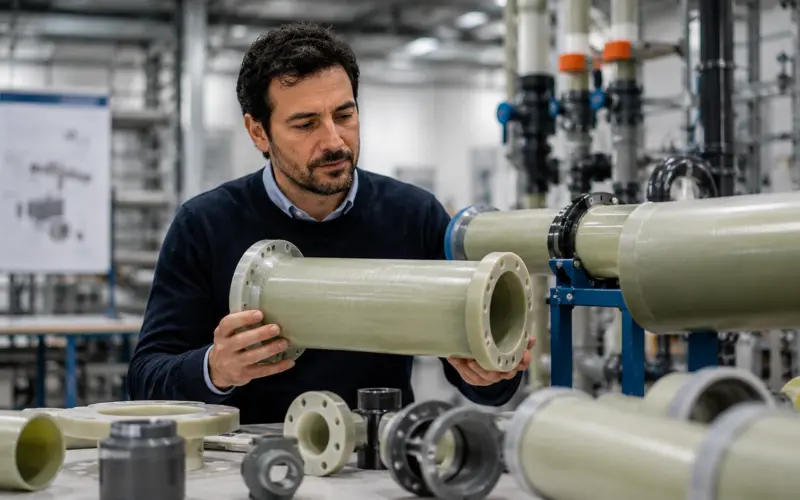

Arno Jordans | 03-03-2027
Thermoplastic piping systems have been used in piping and equipment construction for decades, but the growing demand for corrosion-resistant and sustainable solutions is further increasing the use of thermoplastics. Dosign Academy’s Thermoplastic Piping Systems training course explores the technical possibilities, material properties and design requirements of thermoplastic piping in greater depth, enabling you to assess complex situations more effectively and advise on suitable solutions at the right technical level.
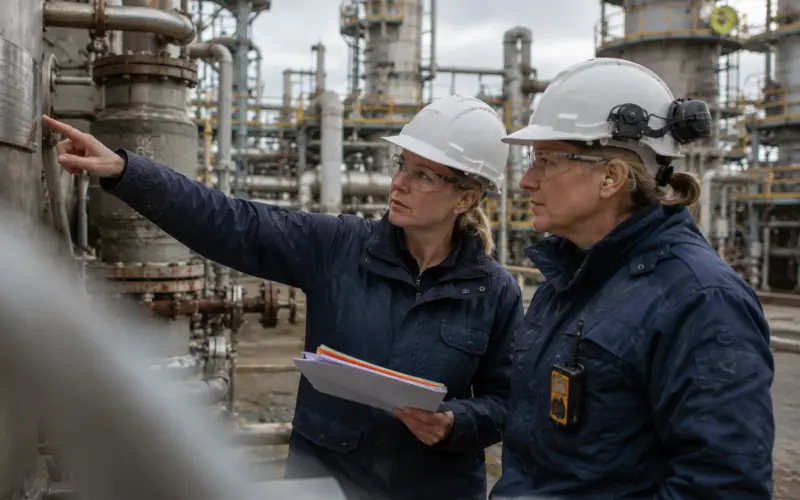
Richard van den Ende | 06-10-2026
This PED and WBDA training course focuses on the application of the Pressure Equipment Directive, PED 2014/68/EU, and the Dutch Commodities Act Decree on Pressure Equipment within industrial projects. In practice, PED is rarely about theory alone. It is about correctly defining scope and obligations. Especially in brownfield modifications, replacements and extensions, the distinction between mandatory and optional requirements is often unclear.
This regularly leads to unnecessary calculations, overly heavy conformity assessment module choices and more involvement from a Notified Body than necessary. In this training course, you learn how to classify pressure equipment correctly, determine the correct PED category and conformity assessment module, and identify when inspections such as KVI are actually required. The emphasis is on making the right technical decisions under PED and WBDA in Dutch practice, from new-build projects to modifications and the management of existing installations.


Mohammad Arab | 19-11-2026
In the process industry, accurately sizing piping systems and selecting suitable pumps is essential for the efficient and safe operation of installations. With Dosign Academy’s Pipe Diameter Calculations & Pump Selection training course, you develop insight into fluid mechanics, pipe sizing and pump selection. This training course helps you understand, apply and assess calculations within design, engineering and maintenance issues.
Calculations for pressure-retaining components require specialist knowledge and a sound understanding of standards and load combinations. At Dosign Academy, we combine technical depth with practical applicability, so you learn how these calculations are used and interpreted in practice.
Personal advice and guidance
We help you determine whether Pipe Stress 3 matches your experience and responsibilities. This training course is intended for professionals who already have experience with pipe stress and want to specialise further.
Experienced trainers from industry
Our trainers have extensive experience in pipe stress calculations, pressure-retaining components and industrial standards. They share practical examples and demonstrate how complex loading situations are assessed in projects.
Practice-based Pipe Stress training
The emphasis is on insight and interpretation. You will learn not only how calculations are performed, but above all how to assess and apply the results in technical decision-making.
ressure-retaining components are often critical points within piping systems. Insufficient understanding of stresses and loads can lead to damage, leakage or equipment failure. With Pipe Stress 3, you develop the insight needed to assess these risks more effectively and make well-founded decisions in the design, verification and acceptance of piping systems.
Would you like to further specialise in pipe stress and pressure-retaining components? Choose Pipe Stress 3: Calculations for Pressure-Retaining Components at Dosign Academy and deepen your technical expertise. Work with greater confidence on complex piping systems and specialist engineering challenges.